
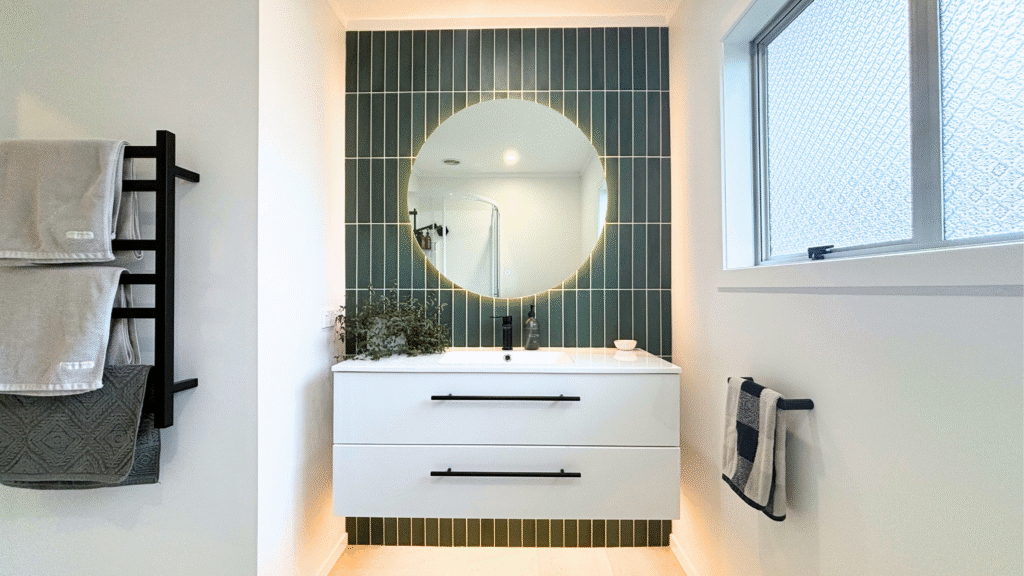
A bathroom that leaks, never seems to dry, or feels outdated can be more than just an inconvenience. These are often signs of deeper problems like hidden plumbing faults, moisture damage, or poor drainage that can lead to costly repairs.
In Wellington, Lower Hutt, and Upper Hutt, bathroom renovations present unique challenges, especially in older homes. Homeowners, landlords, and builders all share the same goal. They want a bathroom renovation that fixes problems for good, keeps disruption low, and stays on schedule.
This guide explains what a full bathroom renovation involves – so you can plan effectively and avoid budget shocks. You’ll learn how to manage costs, compare quotes, and keep your bathroom upgrade on track from the first call to the final handover.
What a full bathroom renovation includes (and what it doesn’t)
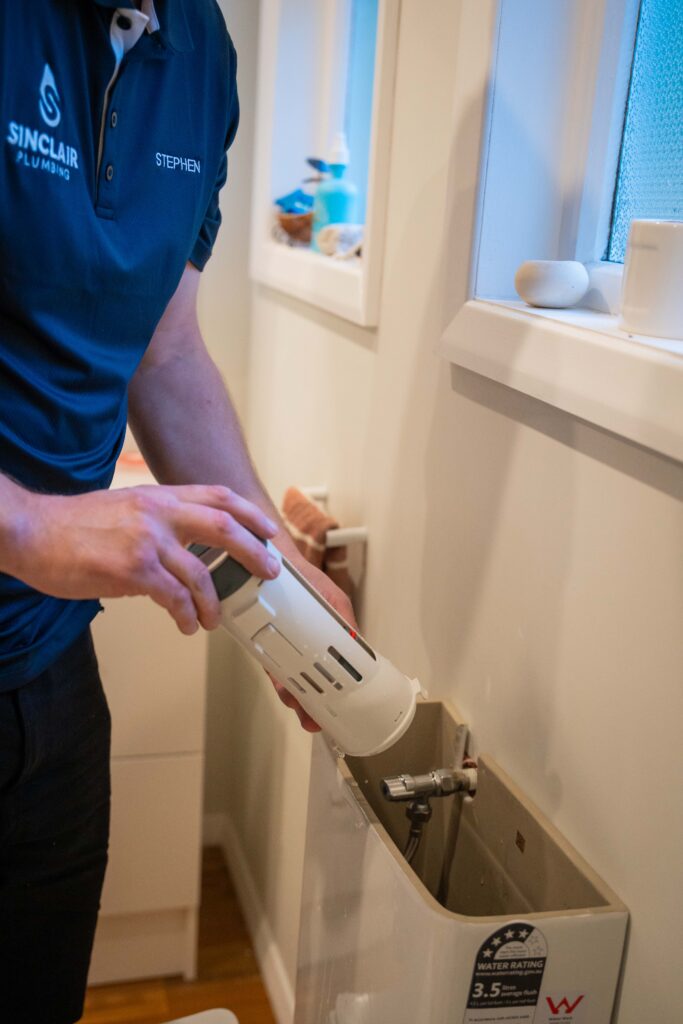
A full bathroom renovation is a complete strip-out and rebuild of the space. It involves demolishing old fixtures and linings, installing new plumbing and drainage, applying certified waterproofing, and fitting off new fixtures with thorough testing.
| What’s Typically Included | What’s Typically Excluded |
| Demolition of old fixtures and linings | Major structural changes to walls or floors |
| Upgrading or relocating plumbing and drainage | Custom joinery and cabinetry |
| Certified waterproofing and tiling | Full electrical rewiring of the space |
| New fittings and compliance testing |
A shower renovation can be part of a full remodel if it needs waterproofing or drainage corrections. Defining the right scope ensures your project is compliant and durable, while a cosmetic-only update might miss hidden issues that lead to future repairs. Simple cosmetic updates may not require a building consent under certain exemptions, but significant plumbing or structural changes typically do.
Decide your scope: full reno vs shower remodel vs refresh
Choosing the right scope for your bathroom renovation saves time, money, and frustration. Start with a quick assessment of your bathroom’s condition and your goals.
Use this simple checklist to see if you need a full renovation.
- Do you see leaks, mould, or constant damp in your bathroom?
- Have tiles cracked, grout failed, or fittings broken?
- Do you want to move fixtures or change the layout?
Answering yes to any of these questions suggests a full bathroom renovation is the best approach to fix underlying issues. A shower remodel works well for isolated shower problems, and a simple refresh with new tapware or paint is ideal for spaces with no hidden damage.
Layout changes and relocation of plumbing do cost more – but add value if they improve the overall function of your bathroom, or solve an underlying drainage problem. For rentals or commercial properties, scheduling work between tenancies or during quiet hours reduces downtime. Matching your goals to the right renovation approach helps you avoid surprises.
The booking-to-handover process, step by step

A bathroom renovation in Wellington, Lower Hutt, or Upper Hutt follows a structured process. Each phase is designed to keep the project organised, on time, and within budget, reducing the chance of costly delays.
Step 1: Initial site visit and assessment
A qualified team visits your property to measure the bathroom and identify any plumbing or drainage constraints. They look for warning signs like old pipes, slow drains, or moisture damage. This early detection helps prevent hidden costs and sets realistic expectations for your bathroom renovation.
Step 2: Confirming layout, fixtures, and coordination
Next, you will finalise your preferred layout and select all fixtures and finishes. This includes the bath, shower, vanity, tapware, and tiles. The team confirms what needs to be moved, coordinates with other trades to avoid scheduling clashes, and plans around tenant or business needs to keep disruption low.
Step 3: Detailed quote, approvals, and schedule
You will receive a detailed quote that outlines all inclusions and any potential unknowns, like required plumbing upgrades. Once you approve the quote, the team locks in a start date and confirms lead times for any special orders. Clear communication at this stage keeps the project moving and helps control costs.
Step 4: Demolition and home protection
Before demolition begins, tradespeople protect your floors and walkways to prevent damage. They use plastic sheets and other protective measures to contain dust and debris. They strip out old fittings, linings, and tiles, then carefully cap off all services. If any hidden damage or asbestos is found, you are notified immediately so solutions can be discussed before work continues.
Step 5: Plumbing, drainage, and gas rough-in
Licensed plumbers update or reposition pipes, drains, and gas lines to fit the new bathroom layout. All new plumbing work must meet requirements for safe and adequate water supplies, and is pressure tested and checked for compliance against New Zealand standards. This step is critical for ensuring the long-term durability and safety of your new bathroom.
Step 6: Waterproofing and council inspections
A certified waterproofer applies a waterproof membrane to the floor, shower, and other wet areas. This requires adequate drying time, which can take a few days. For some renovations, a council inspection may be required at this stage, especially if major plumbing or layout changes have occurred.
Step 7: Lining, tiling, and cabinetry fitting
Once the waterproofing is complete and has passed any necessary inspections, the wall linings are installed. Tilers then begin their work, followed by painters and cabinetmakers in a carefully planned sequence. This coordination ensures that trades do not get in each other’s way and the finish is seamless.
Step 8: Fit-off and final testing
Plumbers and electricians return to connect the new fixtures, taps, and appliances. Everything is thoroughly tested for leaks, correct drainage, and proper operation. Any small defects are recorded on a list for quick fixes before the final handover.
Step 9: Handover and support
At the end of the project, you receive a handover pack containing all compliance certificates, product warranties, and care instructions. The team walks you through the finished space to address any final questions. Reliable aftercare support ensures you can enjoy your new bathroom with complete peace of mind.
Timeline: how long bathroom renovations usually take
Most full bathroom renovations in the Wellington region take two to four weeks to complete, from demolition to final handover. A standard bathroom or ensuite typically falls within this timeframe. Homes with multiple bathrooms or more complex layouts may require five to six weeks.
Moving plumbing or drainage lines, adding custom features, or dealing with unexpected issues can add extra days to the schedule. Key factors that influence the timeline include waterproofing cure times, the complexity of the tiling, and lead times for custom cabinetry.
Access delays or waiting for council inspections can also slow progress, especially during busy periods. To keep your bathroom renovation on track, ensure all materials and fixtures are on-site before work starts. Confirming dates with each trade in advance and maintaining clear communication will help avoid unnecessary downtime.
Bathroom renovation cost: key drivers and budget ranges
Bathroom renovations in Wellington have a wide range of costs. A standard full bathroom renovation typically costs between $18,000 and $30,000. This price usually covers demolition, new plumbing, certified waterproofing, tiling, and the final fit-off of mid-range fixtures.
Luxury upgrades, custom joinery, or major changes to the bathroom layout can increase the total cost significantly. The final price depends on the specific choices you make and the condition of your existing bathroom.
Sinclair Plumbing offers a free, no-obligation quote to ensure you understand the costs before we start our work.
What drives the cost up?
Several factors can influence the final cost of your bathroom renovation. Understanding these drivers helps you budget more accurately:
- Moving plumbing or drainage lines
- Tiling larger areas or using premium tile
- Upgrading ventilation or adding underfloor heating
- Labour for complex layouts or in older homes
- Extensive waterproofing requirements
Rental-grade bathroom renovations often use robust, affordable finishes to keep costs down. Owner-occupied homes tend to feature higher-end tapware, tiles, and bespoke cabinetry. Upgrading plumbing and drainage adds to the upfront cost but reduces the risk of future repairs.
To keep your bathroom renovation cost predictable, look for quotes with clear allowances and exclusions. Establish a process for approving any variations before the work is done. Detailed scoping and transparent invoicing help you avoid budget blowouts.
Design ideas that boost function, durability, and easy cleaning
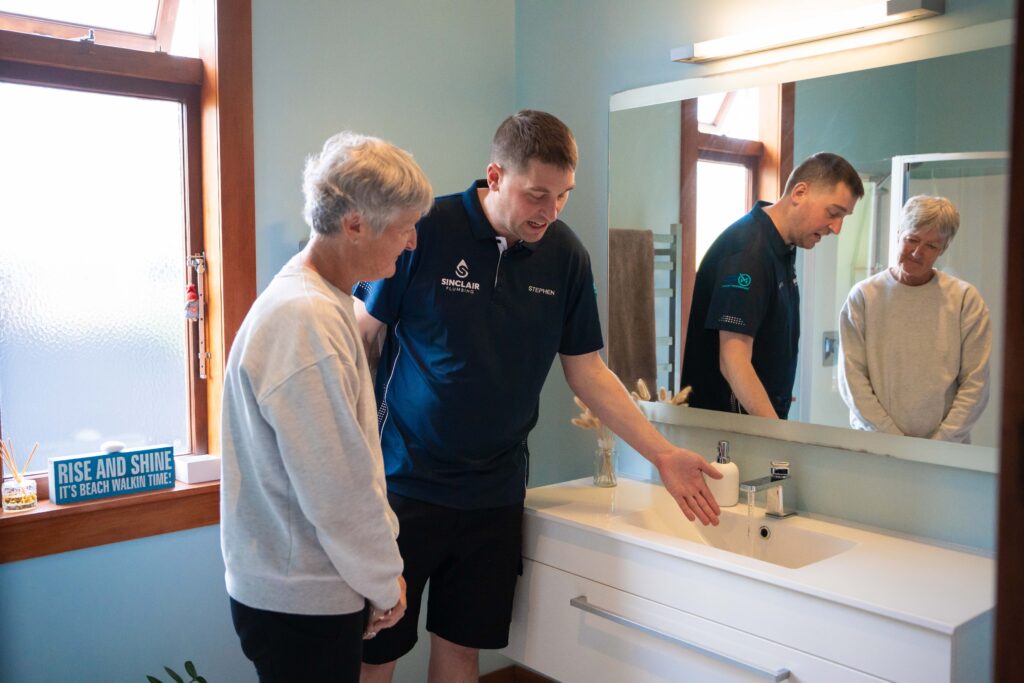
A smart bathroom renovation starts with a layout that works for daily life. Consider how doors swing, how much clearance you have around fixtures, and where you need storage. A well-planned bathroom design helps prevent clutter and makes the space feel more open and functional.
Small bathroom ideas for real space gains
Small bathroom remodel projects require clever solutions to maximise space. Wall-hung vanities, floating shelves, and mirrored cabinets create a sense of openness. Recessed shelving in the shower or above the vanity adds storage without taking up floor area, while compact toilets and slimline tapware also save valuable room.
Surfaces and features that last
Use large bathroom tiles with minimal grout lines to make cleaning easier and faster. Choose slip-resistant bathroom tile ideas for wet zones like the shower floor to improve safety. Durable bathroom flooring ideas like quality porcelain tiles or luxury vinyl planks are well-suited for long-term performance.
Good ventilation powered by a quiet extractor fan, prevents mould and keeps the room fresh. For added comfort, consider heated towel rails or underfloor heating. Water-saving fixtures and touchless taps are modern bathroom ideas that reduce waste and simplify cleaning, ensuring your new bathroom is both practical and stylish.
Avoid delays: mistakes that blow out budgets and timelines
You can keep your bathroom renovations on track by avoiding common mistakes that cost time and money. Starting demolition before all fixtures have arrived, or before waterproofing details are confirmed can bring the entire project to a halt.
Failing to account for old pipes, poor drainage, or hidden leaks often leads to unexpected mid-project expenses. Choosing fixtures that are incompatible with your plumbing, such as mismatched tapware or shower systems, creates frustrating installation delays.
Poor trade sequencing, where tilers, painters, and plumbers are scheduled to work at the same time, also slows progress and increases the risk of damage.
Always insist on clear documentation for your bathroom renovation. A signed scope of work, a clear process for variations, and a detailed defect list at the end will help you maintain control. Careful planning and communication are the keys to avoiding budget blowouts.
Choose the right renovation team and plumber near you
Choosing the right team for your bathroom renovation is one of the most important decisions you will make. Always check credentials and licensing, and confirm who is responsible for signing off on compliance.
When comparing quotes, ask these important questions.
- What is included in the scope of work?
- Are there clear allowances and exclusions?
- What is the expected timeline for completion?
Builders and site supervisors depend on clear coordination between all trades involved in the project. When searching for the best bathroom renovation companies in your local area, look for reviews that mention good communication, reliability, and quality of finish. A professional team provides regular updates, gives clear notice of any service shutdowns, and supplies a detailed handover pack. Working with the right plumber helps you avoid delays, costly fixes, and compliance headaches, keeping your bathroom remodel on track.
Renovate with confidence: next steps with Sinclair Plumbing

Every successful bathroom renovation begins with clear planning and ends with a seamless, high-quality fit-off. The biggest factors affecting your cost and timeline are layout changes, plumbing upgrades, and how early you identify any hidden issues. Good scoping from the start means fewer leaks, less rework, and smooth inspections down the line.
Sinclair Plumbing brings experience, transparency, and a practical approach to bathroom renovations across the Wellington region. You get clear communication and expert workmanship from a team with local knowledge that helps projects run on time and on budget.Ready to get your bathroom renovation right from the start? Contact Us for advice or a quote tailored to your home or project.
Frequently Asked Questions About Bathroom Renovations
What are the main stages of a full bathroom renovation from start to finish?
A full bathroom renovation includes planning, quoting, demolition, plumbing and drainage upgrades, waterproofing, tiling, fixture installation, final testing, and a thorough handover. Each step is important for compliance and long-term durability.
How much do bathroom renovations cost and what factors affect the total price?
Bathroom renovation cost varies based on layout changes, tiling, waterproofing, and chosen fixtures. Upgrades for plumbing or drainage, labour, and custom details also affect the final price. Always review what is included in your quote to avoid surprises.
How long does a full bathroom renovation usually take in the Wellington region?
A standard bathroom renovation typically takes two to four weeks. The timeline depends on the project’s complexity, plumbing moves, custom orders, and access for inspections. Planning ahead helps keep your bathroom remodel on track.
What bathroom upgrades or ideas are best to include while renovating?
Popular upgrades include better ventilation, heated towel rails, water-saving fixtures, slip-resistant tiles, and extra storage. Bathroom design ideas that improve cleaning and daily use add real value for any renovation.
Is it better to DIY or hire professionals for bathroom renovations, and how do I choose the right contractor?
DIY suits minor updates, but bathroom renovations need licensed professionals for plumbing, drainage, and compliance. Check credentials, reviews, and evidence of clear communication before you choose a contractor for your project.